Serving Bridgewater, MA and surrounding areas. (774) 380-3018
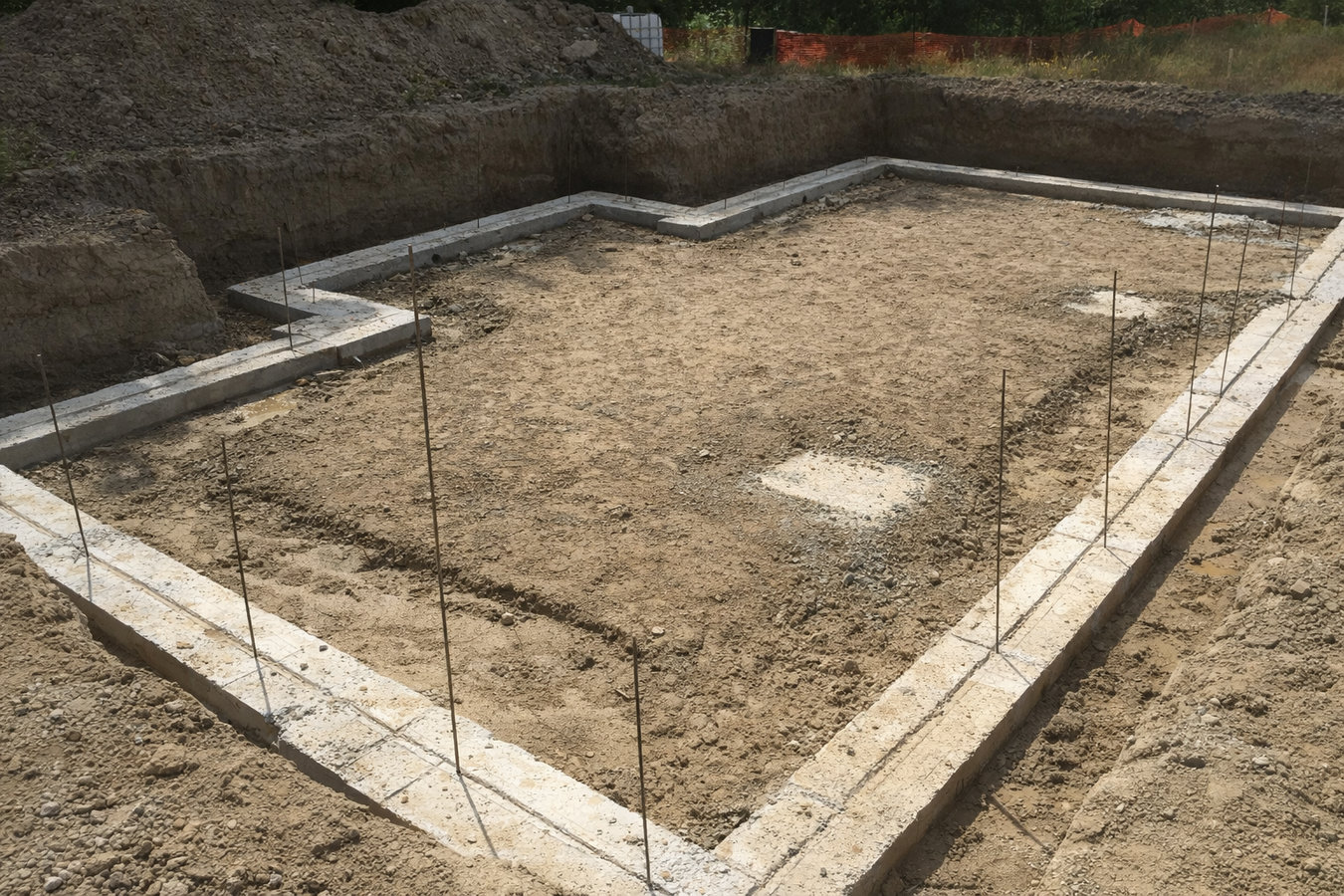
Footings get buried and forgotten - until they fail. We dig to the depth Bridgewater winters actually demand, pass inspection before the pour, and give you the paperwork to prove it was done correctly.
Concrete footings in Bridgewater are wide, flat pads of concrete buried at least four feet underground beneath any structural post, wall, or column - dug below the frost line so winter ground movement cannot push them up and shift whatever is built on top, and most residential footing projects take one to three days for the physical work plus a week or so for permits and the pre-pour inspection.
Most structural problems that look expensive on the surface started with a footing that was too shallow or too small. In Bridgewater, where the ground can freeze nearly four feet down in a hard winter, that is not a theoretical risk - it shows up as cracks in foundation walls, deck posts that lean after a few seasons, and doors that stick because the frame has shifted. If your project involves a full foundation rather than individual footings, our foundation installation service covers that broader scope.
Every footing project we do in Bridgewater includes the permit, the pre-pour inspection by the town building department, and the closed permit paperwork when the job is complete. The inspection is not a formality - it is the moment a licensed official confirms the depth and sizing are correct before the concrete goes in and the evidence disappears underground.
If the posts supporting your deck have shifted out of plumb - even slightly - that is often a sign the footings beneath them have moved. In Bridgewater's climate, this commonly happens when footings were originally placed too shallow and frost has been pushing them up and down over multiple winters. A leaning deck post is not just cosmetic; it is a structural warning worth having looked at promptly.
Horizontal or stair-step cracks in a foundation wall, or cracks running diagonally from the corners of basement windows, can indicate that the footing beneath the wall has shifted or settled unevenly. In older Bridgewater homes, this is sometimes the result of footings poured before modern depth requirements were standard. Any crack that is growing or wider than a pencil tip deserves a professional opinion.
If you are adding any structure to your home that requires a building permit in Bridgewater, new footings are almost certainly part of the job. The building department will require them, and your contractor needs to design them to match the load of the new structure. Getting quotes early matters because footing work often sets the timeline for everything that follows.
When a footing settles unevenly, the structure above shifts - and that shift shows up first in door frames and window openings that are no longer square. If a door that used to swing freely now drags or will not latch, and there has been no obvious water damage or renovation, it is worth having a contractor look at the foundation. This is especially common in Bridgewater homes built before 1970.
We handle excavation to the required frost depth, soil assessment, wooden form setup, rebar placement, the concrete pour, and all coordination with the Bridgewater Building Department - including the pre-pour inspection that must happen before any concrete goes in. For projects near wetland resource areas along the Taunton River watershed, we check whether additional review applies and factor that into your timeline. If groundwater is found during excavation, we dewater the hole before the pour rather than skip it and hope nobody notices. Our foundation raising service covers situations where an existing structure needs to be lifted rather than just re-footed, which is a different scope of work that some older Bridgewater homes require.
The American Concrete Institute sets the structural standards that govern how footings are sized for different loads - and those standards inform how we design each footing to match the structure above it. A footing sized for a light deck post is different from one supporting an addition wall, and we write that distinction into the estimate before any digging starts.
Suited for homeowners adding or replacing a deck or porch who need code-compliant footings below the frost line with the permit and inspection handled from start to finish.
Suited for homeowners building an addition or detached garage who need footings designed to carry the specific load of the new structure and tied to the permit for the whole project.
Suited for owners of older Bridgewater homes where original footings are too shallow or undersized to carry current loads, requiring new footings alongside an existing foundation.
Suited for retaining walls above code-specified heights that require a structural footing to prevent the wall from shifting or overturning under soil pressure over time.
Massachusetts requires that footings for structural work sit below the frost line - and in Plymouth County, that means at least four feet underground. This is not a suggestion; it is verified by a Bridgewater building inspector before any concrete is placed. What it means practically is that footing projects here involve more excavation time and more concrete than national cost guides suggest - those guides are averages that do not reflect New England depth requirements. Bridgewater's glacial soils add another variable: a mix of sandy loam, compacted gravel, and occasional buried boulders left behind by glaciers thousands of years ago. A contractor who does not mention soil conditions during an estimate visit has not thought carefully about your specific site.
Parts of Bridgewater near the Taunton River watershed also have a seasonal high water table, which means excavated holes can fill with water before the pour - a condition that significantly weakens concrete if it is not addressed. An experienced local crew will have a dewatering plan ready before the first shovel goes in. Homeowners in Taunton, MA and West Bridgewater, MA face similar frost depth and soil conditions, and we do regular footing work across those communities as well.
We ask a few basic questions about what you are building and where, then schedule a site visit within a few days. We reply within one business day of your first contact. The estimate we give you after the visit is written, with depth, number of footings, and how unexpected soil conditions will be handled - all spelled out before you commit.
We apply for the building permit with the Town of Bridgewater Building Department before any digging starts. This typically takes a few business days to a week. We handle the paperwork - you do not need to visit the town offices or manage the process yourself.
Once the permit is approved, the crew digs to the required depth - at least four feet in this area. Before any concrete goes in, we schedule the town building inspector to visit and confirm the depth and dimensions are correct. We let you know when that inspection is happening. This step protects your investment before it goes underground.
After the inspection is approved, we set forms, place rebar, and pour. The concrete needs at least seven days to cure before anything is built on top of it - your contractor will give you a specific timeline. We coordinate any final building department sign-off and hand you the closed permit paperwork when everything is complete.
We visit the site, explain exactly what is needed, and give you a written quote with no obligation. Spring slots fill fast - get in touch now to lock in your start date.
(774) 380-3018Four feet minimum, every structural footing, no exceptions. A footing above the frost line will heave in January and settle in April - year after year - until the structure above it fails. We do not adjust this standard to save an hour of digging.
We schedule the Bridgewater Building Department inspection as a routine step - not a last-minute call. That inspection is the only point in the job where a licensed official can verify the depth before it is buried. We hold a Massachusetts Home Improvement Contractor registration and manage this process for every project. Verify any contractor's registration through the state before you sign anything.
Bridgewater's glacial soil can hide boulders and groundwater that are invisible from the surface. We assess site conditions before we quote and explain upfront how unexpected conditions will be handled - so you are not hit with a large change order mid-project.
When we finish, you get the closed permit documentation that proves the work was inspected and approved. That paperwork matters when you sell the property or make an insurance claim - and it is your evidence that the footing was done correctly, not just a contractor's word.
Footing work happens underground and gets buried before you can inspect it yourself. That is exactly why the permit, the pre-pour inspection, and the paperwork at the end are not optional extras - they are the record that the most important part of your project was done right.
If your existing structure needs to be lifted rather than re-footed, foundation raising is a different scope that some older Bridgewater homes require - we handle that work as well.
Learn MoreFull foundation installation for new homes or replacement foundations covers excavation, poured walls, waterproofing, and drainage - going further than individual footings alone.
Learn MoreSpring booking slots fill fast. Call now or send your information and we will follow up within one business day - no obligation, no pressure.