Serving Bridgewater, MA and surrounding areas. (774) 380-3018
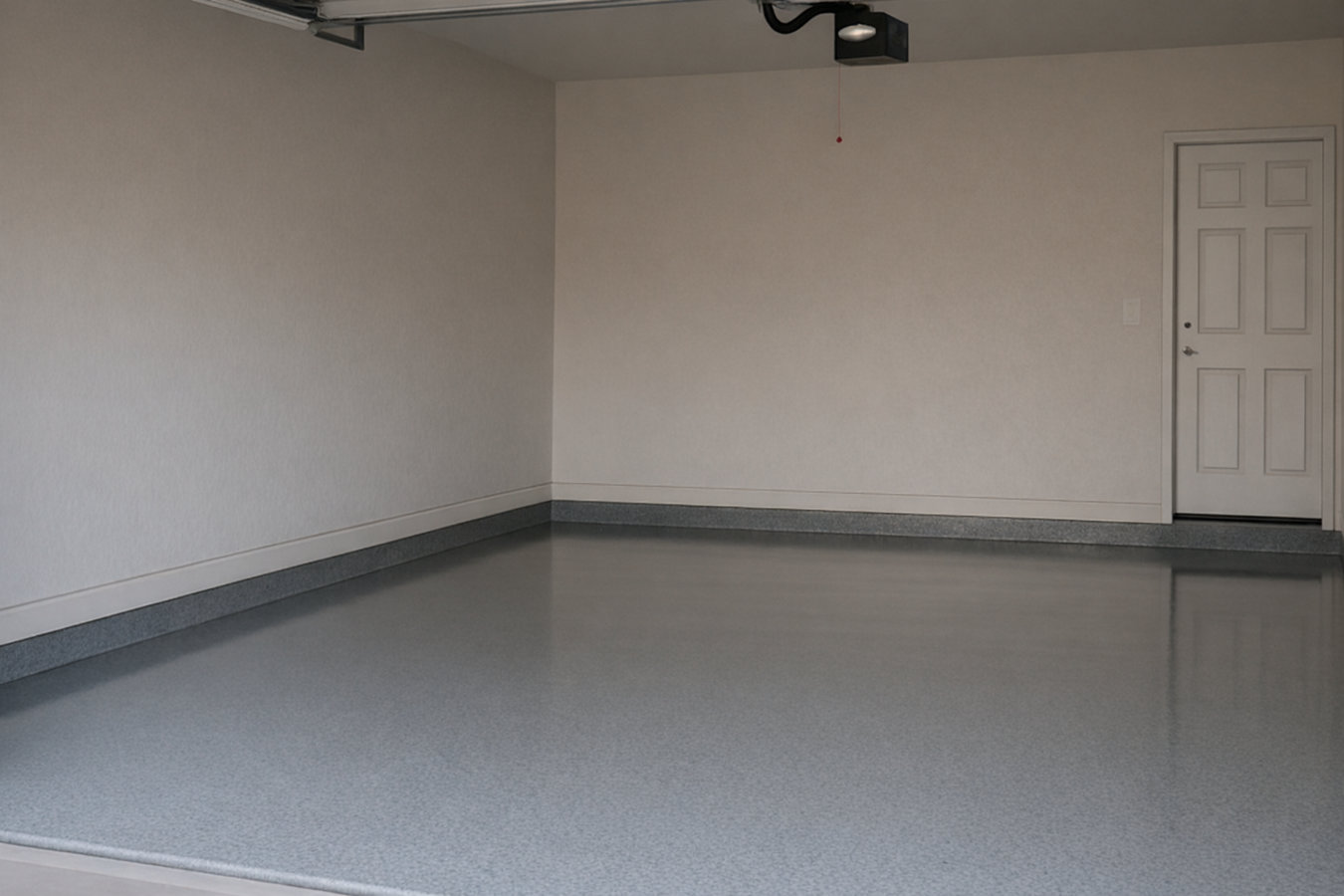
Cracked, damp, or crumbling floors get worse every winter. We pour new concrete floors with the base prep and moisture protection Bridgewater homes need to stay solid for decades.
Concrete floor installation in Bridgewater involves preparing the ground, laying a gravel base, placing a moisture barrier, and pouring the slab - most residential basement or garage floors are completed in one to three days on-site, with full strength reached over the following 28 days.
Many Bridgewater homes built before 1980 have original basement floors that are thin, cracked, or were never sealed against moisture. At a certain point, patching stops making sense and a full replacement is the better long-term call. Homeowners who are also dealing with a slope near a lower-level space often combine floor work with concrete retaining walls to address drainage and grading at the same time.
Whether you are replacing a failing slab, finishing a basement, or installing a new garage floor, the ground preparation underneath matters as much as the concrete on top. In Bridgewater's clay-heavy soil, skipping that step is the most common cause of premature cracking and settling.
Small hairline cracks in an older concrete floor are common and not always urgent. But if you can see cracks wide enough to catch a fingernail - or that have shifted so one side is higher than the other - the slab has moved in a way that patching will not fix. In Bridgewater, where clay-heavy soils shift with seasonal moisture changes, this kind of cracking in older homes often means the original floor was never properly supported.
If your basement floor develops a white powdery coating after wet weather or feels damp even when it has not flooded, moisture is working its way up through the slab from the soil below. This is especially common in Bridgewater homes built before the 1980s, which often lack the moisture barrier that modern floors include. Left alone, this moisture can damage stored belongings, encourage mold growth, and weaken the floor itself.
If the top layer of your garage floor is peeling away in flakes or the surface looks pitted and rough, the concrete is deteriorating - often from years of road salt tracked in during New England winters. Once the surface layer breaks down, the damage accelerates quickly. At a certain point, resurfacing will not hold and a full replacement is the more cost-effective long-term solution.
If you are planning to add living space in your basement - a home office, a playroom, or a guest room - an uneven or deteriorating floor needs to be addressed first. An unlevel floor makes it impossible to install flooring materials properly, and a floor without a moisture barrier will cause problems for any finished space above it. This is one of the most common reasons Bridgewater homeowners call for a new concrete floor.
We install concrete floors in basements, garages, and lower-level spaces throughout Bridgewater and the surrounding towns. Every pour includes subgrade compaction, a crushed-stone base, a vapor barrier, and control joint cuts - because those steps are what separate a floor that lasts from one that cracks within a few years. We also install garage floor concrete for homeowners who specifically need a surface that holds up to vehicle weight and road salt.
Finishing options include broom-finished surfaces for texture and slip resistance, smooth trowel finishes for a cleaner look in living spaces, and sealed surfaces that are easier to clean and maintain long-term. If your project involves a pool or outdoor entertaining area, we also pour concrete pool decks using the same quality concrete and base prep. Permit applications for qualifying projects in Bridgewater are handled by us.
Best for Bridgewater homes built before 1980 where the original slab is cracked, damp, or too thin to support a finished space.
For homeowners replacing a deteriorated garage floor or installing a new slab in an existing structure.
For additions, workshops, or utility spaces where a new concrete floor is being installed on prepared ground.
For homeowners who need a level, moisture-protected slab as the base for tile, LVP, or other finished flooring materials.
Much of Bridgewater sits within or near the Taunton River watershed, and the soils in this region tend to have a higher clay content than sandy coastal towns nearby. Clay soil holds water and shifts more than sandy or loamy soil - which means the ground beneath a new slab needs careful compaction and sometimes additional gravel fill to create a stable base. Homeowners in West Bridgewater and in Middleborough deal with similar soil conditions and see the same premature cracking in older slabs when the ground prep was rushed.
Bridgewater also has a significant number of homes built in the mid-20th century - many with original basement floors that are now 50 to 70 years old. These older slabs often lack vapor barriers and reinforcement that are standard today, and they have been through decades of New England freeze-thaw cycles. Scheduling a floor project between late April and October gives the concrete the best chance to cure correctly before winter arrives. Contractors in this area book up fast in spring, so reaching out in late winter gives you more scheduling options.
Tell us what you are working with - basement, garage, or another space - and roughly how large it is. We get back to you within one business day to schedule a site visit. There is no charge for the estimate.
We look at the existing floor or ground, check for moisture, and assess what prep work is needed. You get a written estimate that breaks down the cost and explains what is included. This is also when we confirm whether a permit is required and handle that application.
You clear the space completely before work begins. We break out and remove the old floor if needed, compact the soil, lay the gravel base, and place the vapor barrier. The actual pour usually takes a few hours to a full day depending on the size of the space.
We give you a clear curing timeline before we leave - when you can walk on it, when you can move items back in, and when the floor is at full strength. If a building permit was required, the town inspector schedules a review and we coordinate that on your behalf.
Free on-site estimate. We handle the permit if one is required. Response within one business day.
(774) 380-3018We compact the subgrade, add a gravel base, and place a vapor barrier on every residential slab - not just when the customer asks. In Bridgewater's clay-heavy soil near the Taunton River watershed, this step is the single biggest factor in whether your floor stays flat and crack-free for decades.
A lot of Bridgewater homes from the 1960s and 1970s have floors that have been patched multiple times. We will tell you honestly whether another repair makes sense or whether a full replacement is the better value. You get a straight answer, not a sales pitch for the most expensive option.
Concrete floor projects in Bridgewater often require a building permit, and we handle the application so you do not have to deal with the building department. Once the floor is done, we coordinate the town inspector visit. You end up with documentation that the work was done to code - which matters at resale.
Not knowing when you can use your garage or basement again is stressful. We give you a specific timeline before work starts - when the pour happens, when you can walk on it, when you can move back in, and when the floor reaches full strength. No guessing.
Every floor we install is backed by the same approach: proper prep, quality concrete, and a curing timeline explained upfront. That is how floors in this climate hold up for 30 or 40 years instead of needing attention every few winters.
For permit information, contact the Town of Bridgewater Building Department. The Portland Cement Association is a reliable reference for concrete floor construction and curing standards.
A poured concrete deck around your pool, finished for slip resistance and built to handle Bridgewater's weather year-round.
Learn MoreA new garage floor poured with the proper thickness and finish to handle vehicle weight and road salt through New England winters.
Learn MoreSpring and summer slots fill fast - reach out now to lock in your project date before the busy season hits.